
RECOMMENDED VIDEOS

Eco Steamer Cleaner
Anvid Products, Inc
Bio degradable Air Cond Treatment and services
Nanochem Packaging

Birksun Solar Boost Solar Collection 2016
BirkSun

Eco-Products presents Dahlia™
Eco-Products, Inc.

BioPak Biodegradable Packaging Lifecycle Animation
BioPak
Related Stories
German city offers ingenious alternative to single-use coffee cups
These vegan “Star Wars” sneakers are made with discarded pineapple leaves
Loch sunglasses are made of 500-year-old timbers from the Great Lakes
Freitag Bags still going strong after 24 years
Norton Point makes stylish sunglasses from recycled ocean plastic
20 Dec, 2015

Pee-powered Socks Turn Your Feet Into A Walking Power Plant In An Emergency
Eco Products & Services | NIGERIA | 18 Dec, 2015
Published by : Ecotechtube
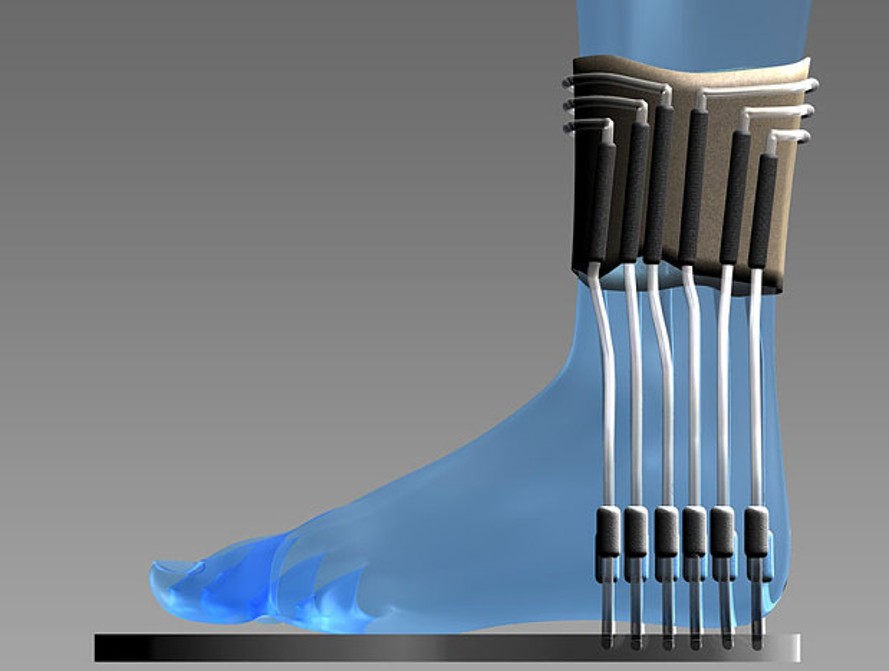
It’s a little unclear why the folks who brought us the world’s first pee-powered cell phone chose to integrate this wearable microbial power plant into a pair of socks, but that’s what they did. The socks contain a tiny manual pump that is activated by the wearer’s steps, and works to circulate approximately a bladder’s worth of urine – around 22 ounces – into the fuel cells. The system can generate enough electricity to run a wireless transmitter and send out a message every two minutes, at least in lab experiments.
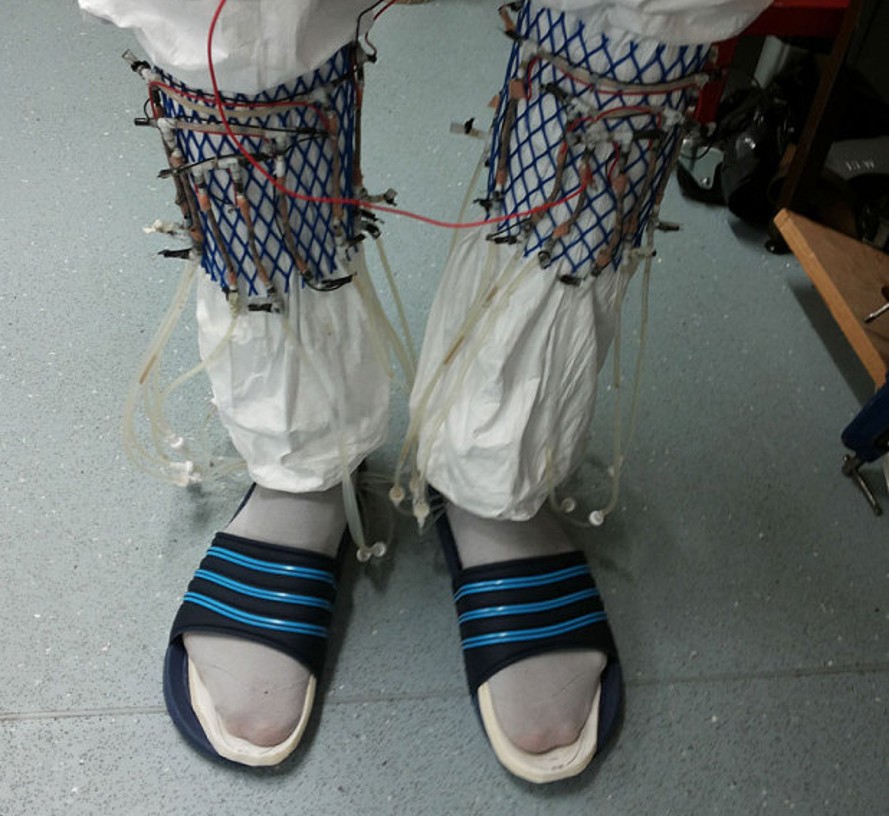
These pee-powered emergency socks aren’t created for the average day hiker. Rather, Ieropoulos believes a wearable power plant such as this could be integrated into existing clothing or gear that is already equipped to collect urine, like certain military, space, or technical outdoor equipment. “We envisage gear or clothing that already has or could have excretion incorporated,” he said, “without people having to worry about collecting or handling their urine.”
Utilizing urine as fuel isn’t a new trick, and we’ve covered quite a few pee-powered projects in the past. A group of Nigerian teenagers presented a urine-fueled generator at Maker Faire Africa in 2013, and NASA has been working on recycling liquid gold from astronauts to power the spacecrafts that house them.
Original Article from:Inhabitat
By:Cat Distasio