
RECOMMENDED VIDEOS
The Future of What's Left Behind: Cellulosic Ethanol…
Abengoa

Energy efficiency in Elkem
Elkem AS
Cypark Resources : Portable Water Purification System Powered…
Cypark Resources Berhad
RENEWABLE ENERGY | INVESTINBAHIA
Invest In Brazil

The key to geothermal energy in KSA
GA Drilling a.s.
Related Stories
The City of London will be powered with 100% renewable energy by October 2018
The largest solar farm apiary in the US opens this week
New study suggests that plastic waste may be transformed into usable energy
Uravu’s zero-electricity Aqua Panels produce gallons of water from thin air
104% of Portugal’s electricity consumption in March came from renewable energy
29 Dec, 2015

Vortex Bladeless Turbines Wobble to Generate Energy
Renewable Energy & Energy Efficiency | SPAIN | 29 Dec, 2015
Published by : Ecotechtube
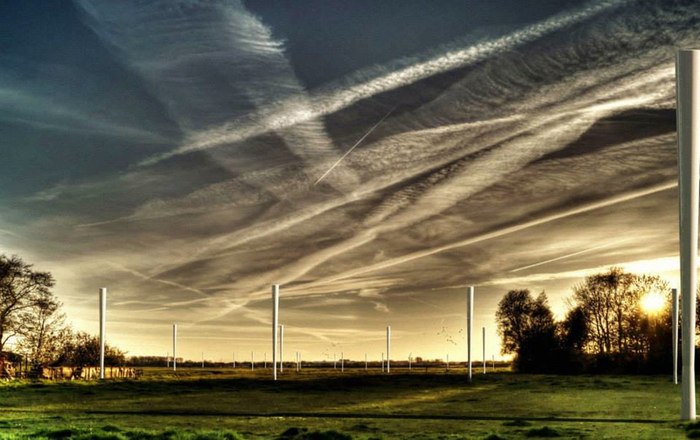
We've explored a number of bladeless wind-turbines before – the Solar Aero turbine being one (though, by definition, not really bladeless as it merely covered the spinning blades with a housing) and the Saphonian being another. The latter being more of a true bladeless "turbine," it still required hydraulic actuation of pistons to generate electricity, so its efficiency was probably not all that great (and, to be perfectly frank, it was not strictly a turbine either as it had no spinning parts).
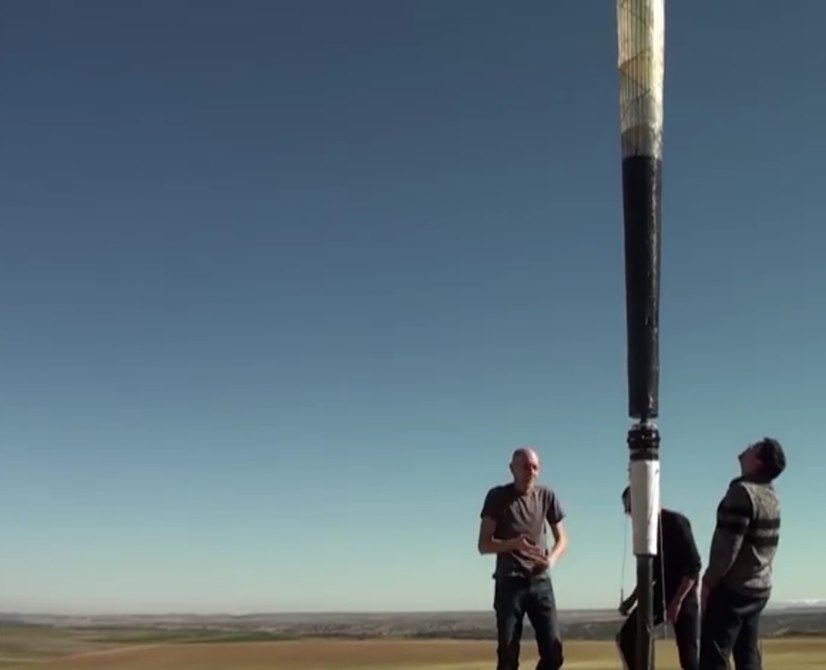
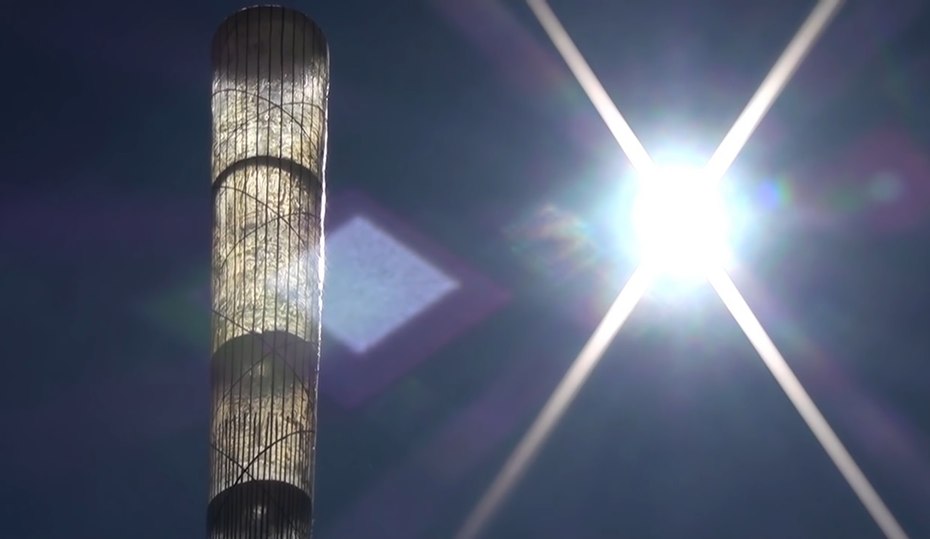
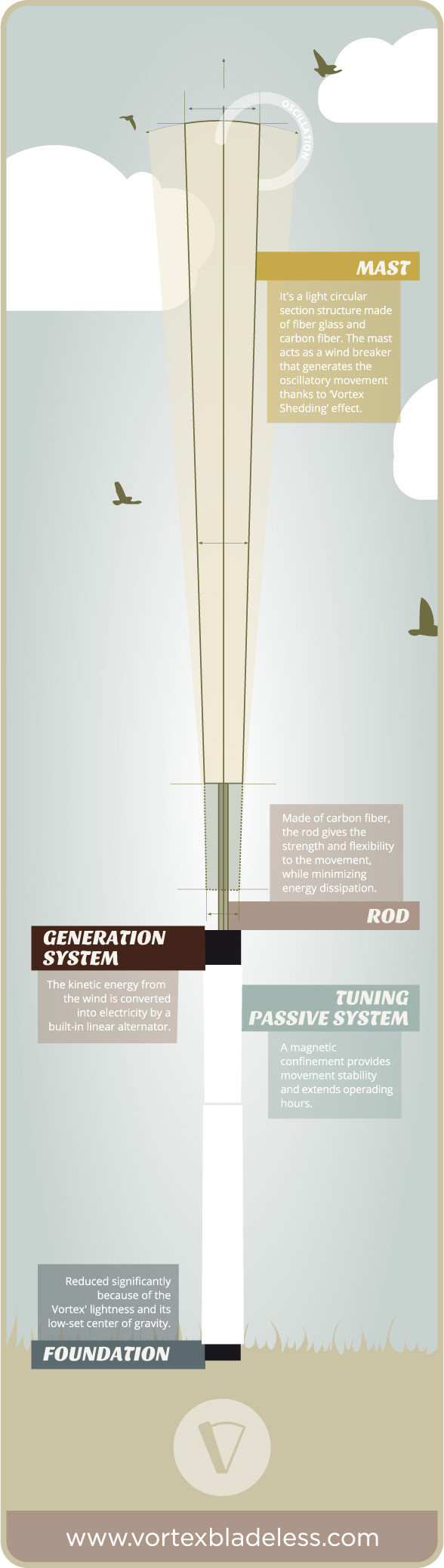
The Vortex, on the other hand, is purported to take advantage of the swirling motion of wind and not direct force like the aforementioned units. This means that it can generate energy from the repeating pattern of vortices (known as the Kármán vortex street), which are generated as the air separates to pass by a blunt body, such as the Vortex structure itself.
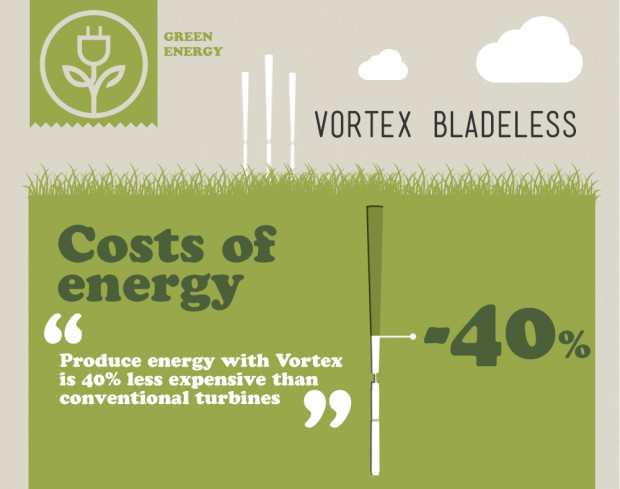
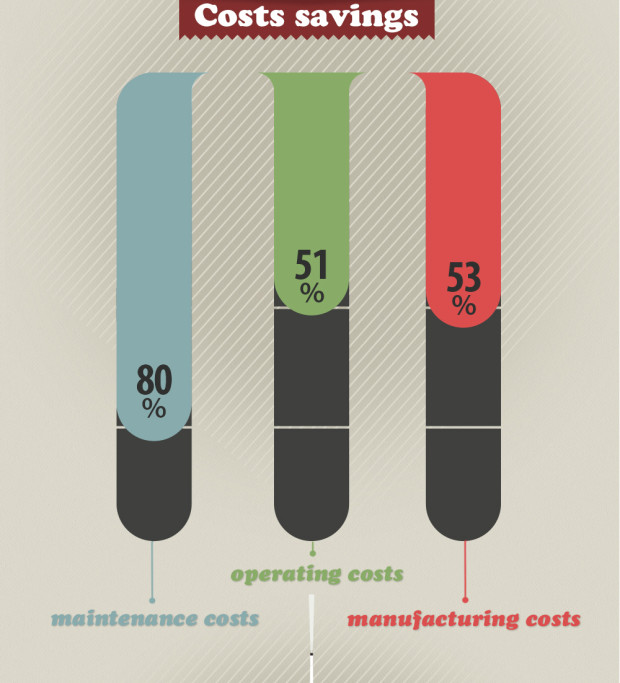
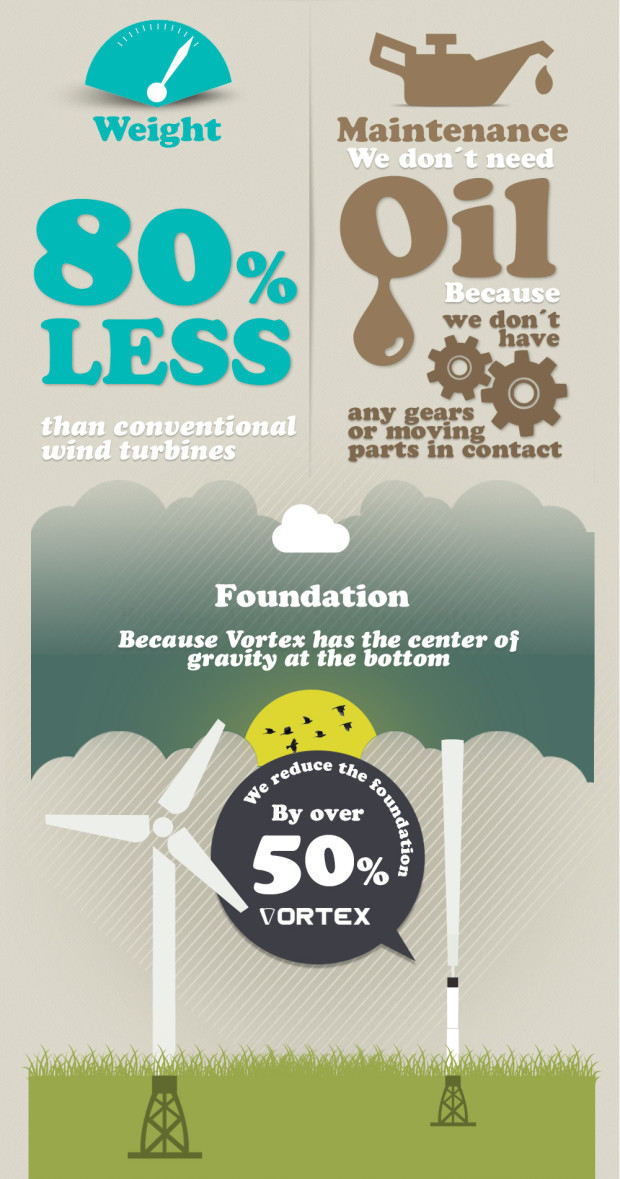
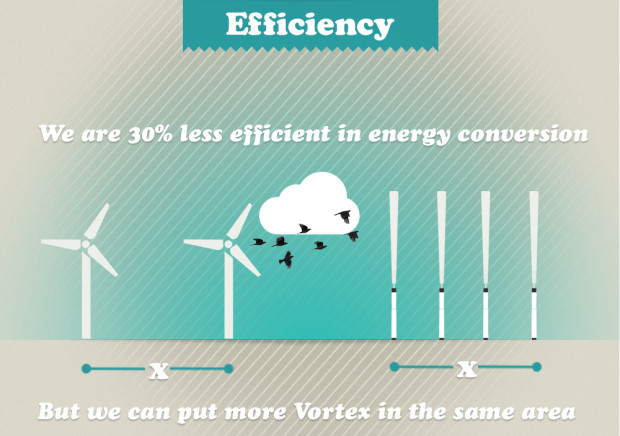
This also means that groups of Vortex units can be huddled closer together as the disruption of air movement in the wind stream is nowhere near as critical as it is when positioning standard, blade-driven wind turbines. This will also help ameliorate the inherent efficiencies in each unit as they can be grouped much closer together than their standard turbine counterparts and, therefore, potentially generate more power per square meter.
The first model to be made available commercially will be known as the Mini: a 4 kW, 12.5 meter (41 ft) high unit intended for residential and small-scale commercial application. A larger model, dubbed the Gran, is also being designed and is a unit with a greater than one-megawatt output intended for use in large-scale power generation for industry and electricity companies.
To get their creations to production, the team at Vortex will be launching a crowdfunding campaign on June 1, with details to become available via email alerts on the company's website.
The short video below shows a Vortex prototype in action and provides some background information from its creators.
Original Article from: GizMag
Images from : www.vortexbladeless.com