
RECOMMENDED VIDEOS

Energy Efficient Products by MM Comfort Systems
MM Comfort Systems
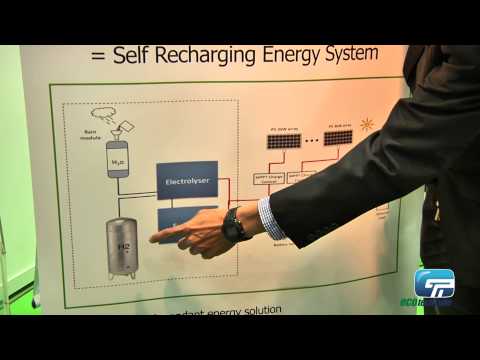
Solar NRJ : Self Recharging Energy System with Solar Energy
Solar NRJ Sdn Bhd
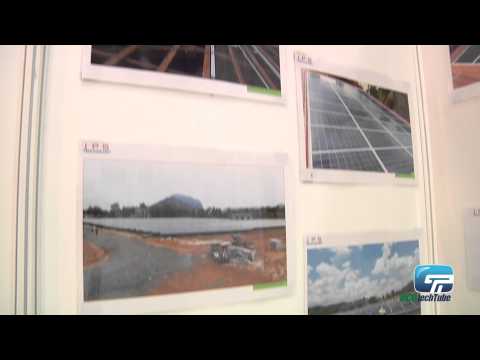
Intelligent Power System Technology (IPST) : Solar System…
Intelligent Power System Technology Sdn Bhd (IPS)
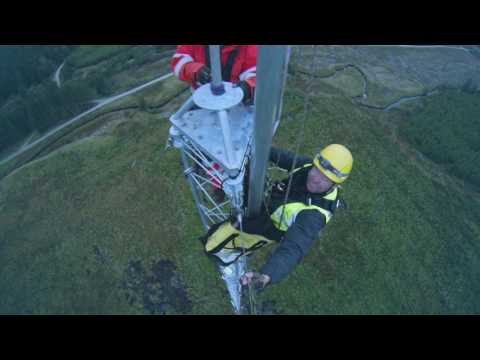
Wind Monitoring Services in the UK and Europe from Dulas
Dulas Ltd

Clenergy PV-ezRack SolarRoof EVO
Clenergy International
Related Stories
The City of London will be powered with 100% renewable energy by October 2018
The largest solar farm apiary in the US opens this week
New study suggests that plastic waste may be transformed into usable energy
Uravu’s zero-electricity Aqua Panels produce gallons of water from thin air
104% of Portugal’s electricity consumption in March came from renewable energy
16 Feb, 2016

To save the climate, use more energy?
Renewable Energy & Energy Efficiency | MALAYSIA | 16 Feb, 2016
Published by : Ecotechtube
We've written a lot about demand response schemes where businesses power down when energy is scarce. It's an approach that makes sense. And it can help allay fears about the intermittency of many renewable sources.
Now Business Green reports on a related, but perhaps somewhat counterintuitive, idea. A company called Flexitricity is working with companies to turn up their demand at times when wind energy is plentiful. The service gives businesses a heads-up when wind production is likely to outstrip demand, and if those companies can make use of the energy by ramping up production, they receive a payment in addition to the electricity they receive.
"Footroom, or demand turn-up, offers tremendous potential to the UK—not only does it put the country at the very forefront of developing and implementing the grid of tomorrow, but it opens up a world of possibilities for business and for renewables developers, With Footroom, businesses can boost productivity for minimal extra cost and are incentivised to do so. In turn, the grid can increase the amount of electricity distributed to homes from clean, renewable energy sources."
This marks an interesting new twist on the "death by capacity factor" issue that Mike highlighted last year. Wind and solar already often undercut coal and gas because their marginal cost of production is close to zero, so they can sell their electricity at almost any price and at least know that they are not losing their shirts. Now, with the addition of demand turn-up, these operators can even sell their electricity when there would normally be no demand for it at all.
Boy, we do live in interesting times.
Article from: Tom Corser