
RECOMMENDED VIDEOS

SUEZ Environment : Smart sewerage system management - Aquadvanced…
SUEZ

Eco-friendly Odor Control System for Removing Trash Compactor…
Envirostat Inc

Superior Biological Wastewater Treatment
BioGill

Alam Sekitar Eco Technology : Wave Glider
Alam Sekitar Eco-Technology Sdn Bhd

Industrial WasteWater treatment from heavy metals at GlobeCore…
Globecore Inc
Related Stories
First paper straw factory in decades to open as UK bans plastic
GREEN CITIES INVESTMENT FORUM 2024
Beach plastic audit in the Philippines reveals which businesses are the worst polluters
Made from sewage, these “popsicles” reveal the scale of Taiwan’s water pollution
World’s first mobile recycling plant turns trash into tiles
03 Jun, 2016

High blood pressure linked to short and long-term exposure to some air pollutants
Resource Recovery & Environment Management | UNITED STATES | 02 Jun, 2016
Published by : Eco Media Asia
Both short- and long-term exposure to some air pollutants commonly associated with coal burning, vehicle exhaust, airborne dust and dirt are associated with the development of high blood pressure, according to new research in the American Heart Association's journal Hypertension (www.heart.org).
"In our analysis of 17 previously-published studies we discovered a significant risk of developing high blood pressure due to exposure to air pollution," said Tao Liu, Ph.D., lead study author and deputy director and epidemiologist of the environmental health division at Guangdong Provincial Institute of Public Health in China. "People should limit their exposure on days with higher air pollution levels, especially for those with high blood pressure, even very short-term exposure can aggravate their conditions."
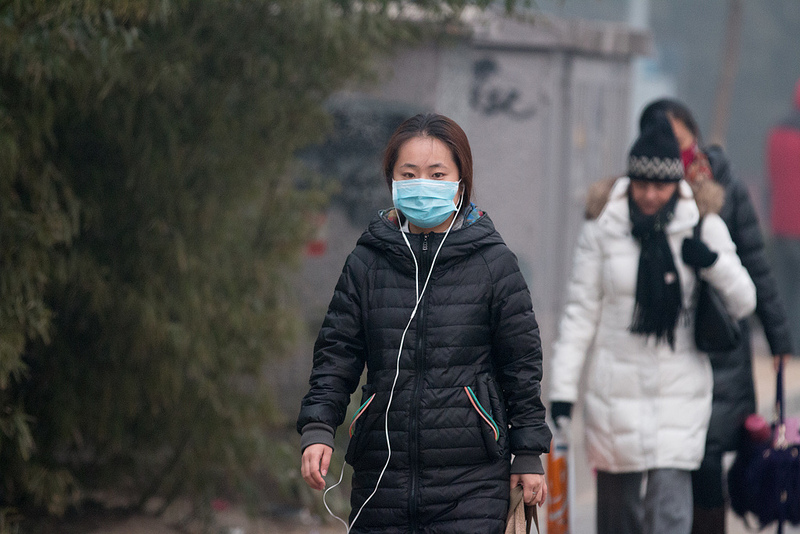 Images credit : Flickr - D J Clark
Researchers performed a meta-analysis of available published studies in the world assessing the health effects of all air pollution on hypertension risk. Meta-analyses combine results from previous studies to estimate the overall effect of a particular variable on a result. In the first study to simultaneously estimate the effects of short-term and long-term exposure to air pollutants on hypertension by meta-analysis, researchers focused on these air pollutants:
sulfur dioxide (SO2), which mainly comes from the burning of fossil fuel;
nitrogen oxide (NOx), which comes from fossil fuels burned at power plants and vehicle exhaust;
Particulate matter (PM) are particles found in the air, including dust, dirt, smoke and liquid droplets. (PM 2.5 is smaller than a speck of dust, and the most common and hazardous type of air pollution. PM10 includes both PM2.5 and PM2.5-10).
From American Heart Association via Science Daily
Lead Image source : Alex Gindin
Images : Flickr - D J Clark