
RECOMMENDED VIDEOS
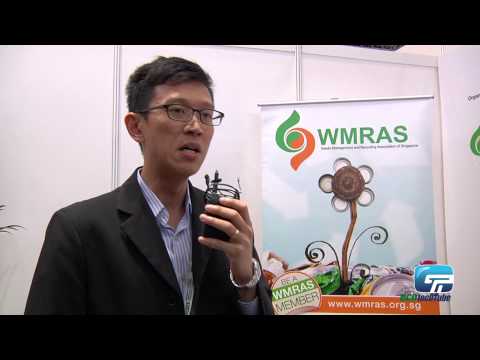
Waste Management & Recycling Association of Singapore…
Waste Management & Recycling Association of Singapore (WMRAS)

FirstCarbon Solutions - Run your business. Leave Sustainability…
FirstCarbon Solutions, Philippines
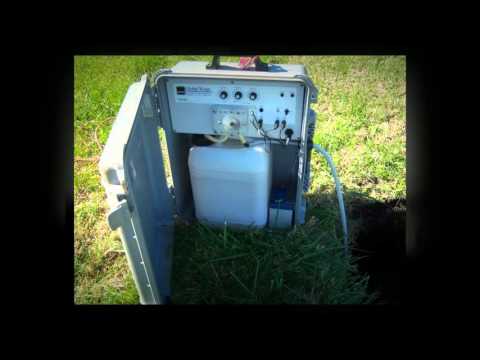
Hall Environmental Consultants Nicholasville, KY
Hall Environmental Consultants LLC

Taiwan External Trade Development Council (Taitra) : Taiwan…
Taiwan Trade Center, Inc
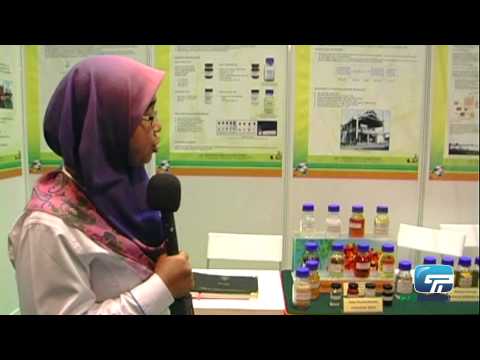
Malaysian Palm Oil Board : Producing Biodiesel & Biomass…
Malaysian Palm Oil Board (MPOB)
Related Stories
The Philippines envisions a green smart city to combat pollution in Manila
Bronx community garden transformed with sustainable improvements
Flawed recycling results in dangerous chemicals in black plastic
IE Expo 2018: Asia's Leading Trade Fair for Environmental Technology Solutions
London store recycles 60,000 plastic bottles for 3D-printed interior
05 Jul, 2016

China completes world’s largest radio telescope to search for alien life
Others | CHINA | 05 Jul, 2016
Published by : Eco Media Asia
China just completed the world’s largest radio telescope. As big as “30 football fields,” the Five-hundred-meter Aperture Spherical Telescope (FAST) will reportedly hunt for alien life. President Xi Jinping aims to make China a space superpower, and the country is poised to take a leading role in space exploration with the completion of FAST.
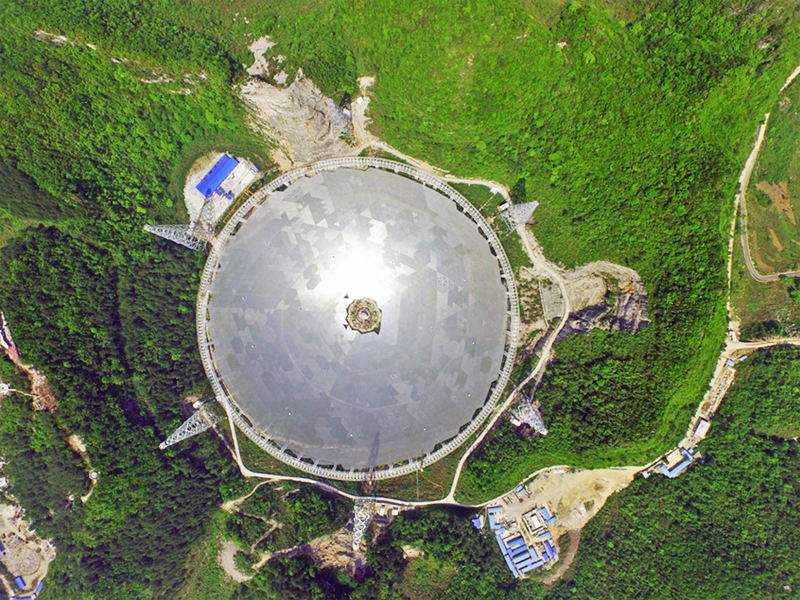
The massive telescope took five years to build, and the project is managed by China’s space agency – the National Astronomical Observatory (NAOC) of the Chinese Academy of Sciences. Deputy head of the agency Zheng Xiaonian said, “The project has the potential to search for more strange objects to better understand the origin of the universe and boost the global hunt for extraterrestrial life.” FAST will search for aliens by detecting amino acids on far away planets.
At 500 meters wide, FAST beats out the previous record holder in Puerto Rico, the 300-meter-wide Arecibo Observatory. FAST is comprised of 4,450 panels, according to The Telegraph.

The $180-million telescope displaced 9,000 people. Those who lived within three miles of FAST’s location in the poverty-stricken Guizhou province had to leave because the agency wanted to make sure nothing interfered with the telescope’s operations. Chinese officials said each person would be provided with roughly $1,800 to relocate.
Scientists will begin testing the telescope now, and FAST will be fully operational in September. China also hopes to construct a space station and send a person up to the moon by 2036. Reuters notes that while China has said their goals are peaceful in nature, the U.S. Defense Department is laying plans to ensure China won’t use their space technology in a “crisis.”
National Astronomical Observatory
Via Reuters
Images via the National Astronomical Observation, Chinese Academy of Sciences
Article by Lacy Cooke at inhabitat.com