
RECOMMENDED VIDEOS
Preformed Line Products–DPW Solar Manufacturing Capabilities
Preformed Line Products Company
Polymeur Sun Singapore : Flexible Lightweight Thinfilm…
Polymeur Sun Singapore Pte Ltd

Z-CEP Energy Management : Energy Saving Solutions - Dynamic…
Z-CEP Energy Management Sdn Bhd
Optimal Group Sustainable Energy Solutions
Optimal Group Australia Pty Ltd

LUXEN--From the Nature,for the Future
LUXEN SOLAR ENERGY CO.,LTD.
Related Stories
The City of London will be powered with 100% renewable energy by October 2018
The largest solar farm apiary in the US opens this week
New study suggests that plastic waste may be transformed into usable energy
Uravu’s zero-electricity Aqua Panels produce gallons of water from thin air
104% of Portugal’s electricity consumption in March came from renewable energy
27 Jul, 2016

European wind energy is now cheaper than nuclear power
Renewable Energy & Energy Efficiency | UNITED KINGDOM | 27 Jul, 2016
Published by : Eco Media Asia
Wind energy has officially overtaken nuclear power as the most affordable energy option – at least in countries surrounding the North Sea. In nearby European nations, the cost of wind is now 30 percent lower than nuclear, a promising development in the push for renewable energy around the world. At the rate of present installations, industry group WindEurope predicts these wind farms will generate a full 7 percent of all energy within Europe by 2030.
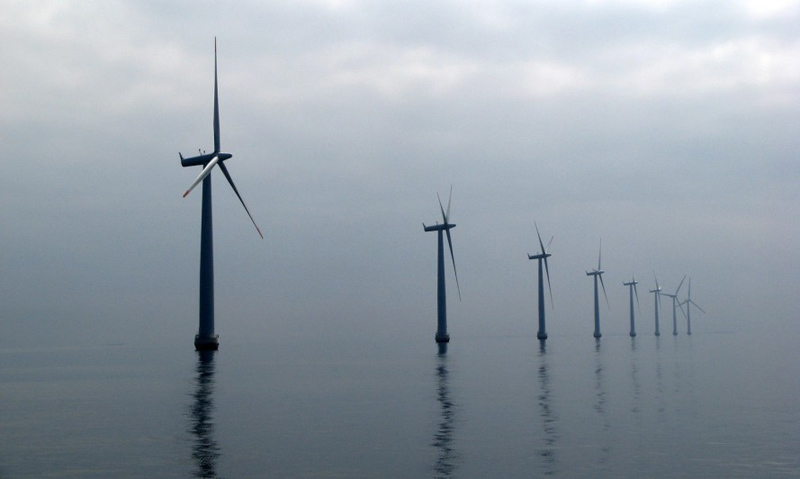
The reason for the drop in price is largely due to the fact that offshore wind farms are becoming cheaper and easier to build. In the past, constructing these farms has been expensive and impractical – and given the relatively low cost of fossil fuels, it simply hasn’t made sense for many companies to invest in the projects. However, the closure of many drilling projects in the North Sea has left offshore installation vehicles without enough work, causing the cost of transporting turbines out to sea to plummet. Other factors which have helped lower the price include low oil and steel prices, reduced maintenance requirements, and the ability to mass produce turbines.
While these falling wind power costs only represent a small part of the global energy market, there’s no reason other regions can’t build up a similar capacity. China, for instance, has built so many solar and wind facilities that it’s already on track to exceed its own emissions targets by 2020. And while wind power is currently developing at a slower pace in the US, that may not be true for long – new turbine designs could potentially upend the entire industry and fuel exponential growth on the American side of the Atlantic.
Via ENN
Photos via Andreas Klinke Johannsen and m.prinke
Article by Julie M. Rodriguez at inhabitat.com